
Timber and Composite Decking: Which 1 Is Better
Timber Decking
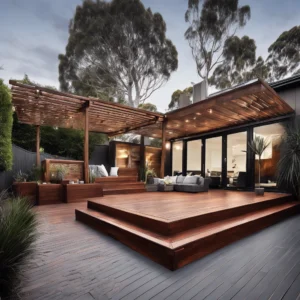
Timber And composite Decking experts in Doncaster, Victoria and surrounding suburbs. Elevate Your Outdoor living! Call us for a free quote today!
Product In-Stock: InStock
Timber and Composite Decking: Exploring the Differences
When it comes to outdoor living spaces, the choice between timber and composite decking can be a significant one.
Understanding the key characteristics of each material is crucial for making an informed decision.
Both materials offer unique advantages, and understanding their differences can help homeowners make an informed decision that best suits their needs and preferences.
Let’s delve into the details of timber and composite decking to help you determine the best option for your outdoor space.
Timber Decking: A Classic Choice
Timber decking has long been a popular choice for outdoor spaces, offering a timeless and natural aesthetic.
It provides a traditional look that blends well with various architectural styles and landscapes.
Crafted from various wood species, such as Merbau, Spotted Gum, or treated pine, timber decking is known for its warm and inviting appearance.
This diversity allows homeowners to choose the type of wood that best suits their design preferences and requirements.
One of the primary benefits of timber decking is its ability to be customized and stained to complement the surrounding landscape or architectural style.
Additionally, the natural aging of timber can enhance its charm and character over time.
Durability and Maintenance
Timber decking is a durable option, with proper care and maintenance.
It can withstand heavy foot traffic, furniture, and outdoor elements when properly cared for.
Regular cleaning, sealing, and staining can help protect the wood from weathering, UV damage, and insect infestations.
This periodic maintenance routine helps preserve the wood’s structural integrity and appearance.
While timber decking may require more frequent upkeep compared to composite, it can last for many years with proper maintenance.
Furthermore, timber decking can be refurbished or restored through sanding and refinishing to prolong its lifespan.
Sustainability and Environmental Impact
Timber decking can be a sustainable choice, as it is a renewable resource.
By replenishing forests and using wood from sustainably managed sources, homeowners can promote ecological balance and forest health.
Responsibly sourced and harvested timber can contribute to a more environmentally conscious outdoor living space.
Moreover, timber absorbs carbon dioxide, reducing the overall carbon footprint of outdoor spaces.
However, it’s essential to consider the source and treatment of the timber to ensure its environmental impact is minimized.
Avoiding chemically treated or exotic wood species can mitigate negative impacts on ecosystems and biodiversity.
Composite Decking: A Low-Maintenance Alternative
Composite decking, on the other hand, is a relatively newer option that has gained popularity in recent years.
Offering advantages like durability, longevity, and resistance to splintering, rotting, or warping.
Composed of a blend of recycled plastic and wood fibers, composite decking offers a unique set of advantages.
This composition results in a material that is highly resistant to moisture, mold, and pest infestations.
Durability and Maintenance
One of the primary benefits of composite decking is its low-maintenance nature.
This characteristic makes composite decking ideal for busy homeowners or those looking for a low-maintenance outdoor solution.
Unlike timber, composite decking is resistant to weathering, fading, and insect damage, requiring minimal upkeep.
Composite decking’s durability eliminates the need for frequent repairs or replacements, adding to its cost-effectiveness over time.
It does not need to be sealed or stained, making it a more convenient choice for homeowners who prefer a hassle-free outdoor living experience.
Creating a seamless outdoor space that reflects personal taste and style preferences.
Aesthetics and Customization
Composite decking is available in a wide range of colors and textures, allowing homeowners to create a customized look that complements their outdoor space.
This wide selection allows for versatile design possibilities, catering to various aesthetic preferences and architectural themes.
From natural wood-like finishes to more contemporary, uniform appearances, composite decking offers a versatile aesthetic.
It can be an attractive option for individuals seeking eco-conscious alternatives for their outdoor projects.
Environmental Considerations
Composite decking is often touted as a more environmentally friendly option, as it is made from recycled materials.
This aspect can contribute to reducing landfill waste and promoting a circular economy approach to construction materials.
This can be an appealing factor for homeowners who prioritize sustainability and reducing their environmental footprint.
It’s essential to weigh the initial expenses against long-term savings and maintenance efforts when evaluating decking choices.
Comparing Timber and Composite Decking
When it comes to choosing between timber and composite decking, there are several factors to consider:
Cost: Timber decking is generally more affordable upfront, while composite decking may have a higher initial investment but lower long-term maintenance costs.
Consider the desired look and feel of your outdoor space to determine the most suitable decking material for your home.
Appearance: Timber decking offers a more natural, rustic look, while composite decking can provide a more uniform and contemporary aesthetic.
Taking into account factors like upkeep requirements, longevity, and eco-friendliness can guide you towards the optimal decking selection.
Maintenance: Timber decking requires regular cleaning, sealing, and staining, while composite decking is low-maintenance.
Durability:
Both timber and composite decking can be durable, but composite is generally more resistant to weathering, fading, and insect damage.
Environmental Impact:
Timber decking can be a sustainable choice with responsible sourcing, while composite decking is often made from recycled materials.
Ultimately, the decision between timber and composite decking will depend on the homeowner’s personal preferences, budget, and the specific needs of their outdoor living space.
Check HERE for more